As the world becomes more crowded and connected, key stakeholder groups matter and frictions impose heavy costs.
Stakeholders can be full of surprises – you never know quite how they’re going to act or react. Logic doesn’t always prevail because personalities and agendas all come into play.
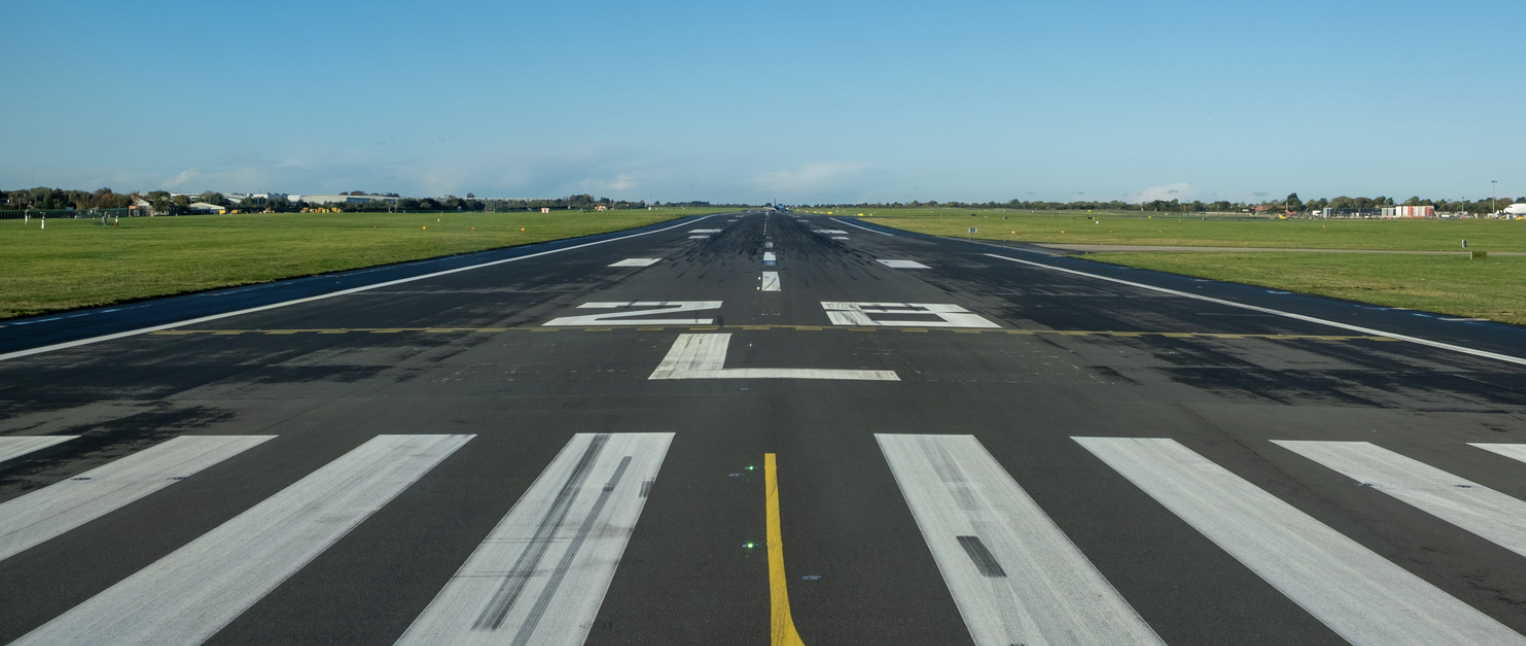
In high-stakes engagement situations, I’ve introduced a method I call smoothing your stakeholder engagement runway to set my clients up for the best possible outcomes.
In this article I’ll explain what it is and why it works.
Why might you need it?
I was asked to facilitate a meeting by a client of mine where their stakeholder relationship was at rock bottom. Several years of miscommunication, mistrust and ill-will had undermined it.
The advice I gave them was to go in with a mindset of ‘baby steps’. Rebuilding trust was going to be critical to my client’s strategic aims and their future success – we couldn’t risk a falling out, so our aim was to achieve stabilisation.
If you have significant value of risk with one or more of your stakeholders, the same type of approach could be warranted.
Describing the runway smoothing process
The process for reducing friction has three core elements:
Firstly, you are viewing the engagement as a part of a broader plan because it’s unrealistic to expect you’ll get all the results you’d hope for in one go. Think of it as part of the runway for takeoff.
Secondly, in all conversations, prioritise listening and information gathering because you need to understand why they think, feel and do the way they do. Dominating proceedings or dictating solutions will set you back.
Thirdly, combine your industry knowledge with meeting smarts and make use of appreciative inquiry techniques. You need a leader or facilitator on your side who can think on the run and decide which ‘threads’ to unpick further according to their level of interest or importance.
Why it’s valuable
The meeting I mentioned above had a hostile feel to it as we were kept waiting in the foyer and then seated facing into a bright window – a deliberate attempt by the leader of the stakeholder’s organisation to project strength.
It reinforced our approach, which was to simply listen and probe for further explanations as needed. At the end of this session, their leader’s tone had shifted from fractious to calm and he declared this was the best meeting we’d ever had – smoothing the way for the next engagement step.
Which of your stakeholders needs smoothing?
I’ve described just one situation where the technique has been employed.
There are many more, such as complex regional projects where the stakeholder groups included grass roots community members, businesses, business groups, government agencies and social sector operators.
The approach was to engage many of them either individually or in sub-groups to smooth the way toward bringing them all together in the same room – and the value of the process shone through when that happened.
It’s worth reflecting on the frictions you encounter and your approach to stakeholder engagement and management – will you benefit from smoothing the runway?
Reach out if you would like to discuss.

Phil Preston helps leaders, teams and organisations navigate change to reach their goals and make a bigger impact. He’s a professional speaker, facilitator and event host who can be contacted at hello@philpreston.com.au